Covered Space Without the Full Footprint
Lean-to structures for equipment and vehicle coverage in Colbert, Washington.
When you need weather protection for equipment, firewood, or a vehicle but do not want to build a standalone structure, a lean-to gives you covered space that attaches to an existing building or stands as a simple sheltered area. In Colbert, where rain and snow are regular, a lean-to keeps tools dry, protects vehicles from ice buildup, and gives you a place to work without setting up tarps or moving things into a garage.
McDonaldNSonsDecks builds lean-to structures with proper anchoring, sloped roofing, and framing that holds up under snow load. Each build is sized to fit your property and what you need to store, whether that means a narrow attachment along a barn wall or a wider freestanding structure with open sides. The roof is angled to shed water away from the building, and posts are set deep enough to stay stable in wet ground.
If you are ready to add functional coverage to your Colbert property, contact us to talk through design and placement options.
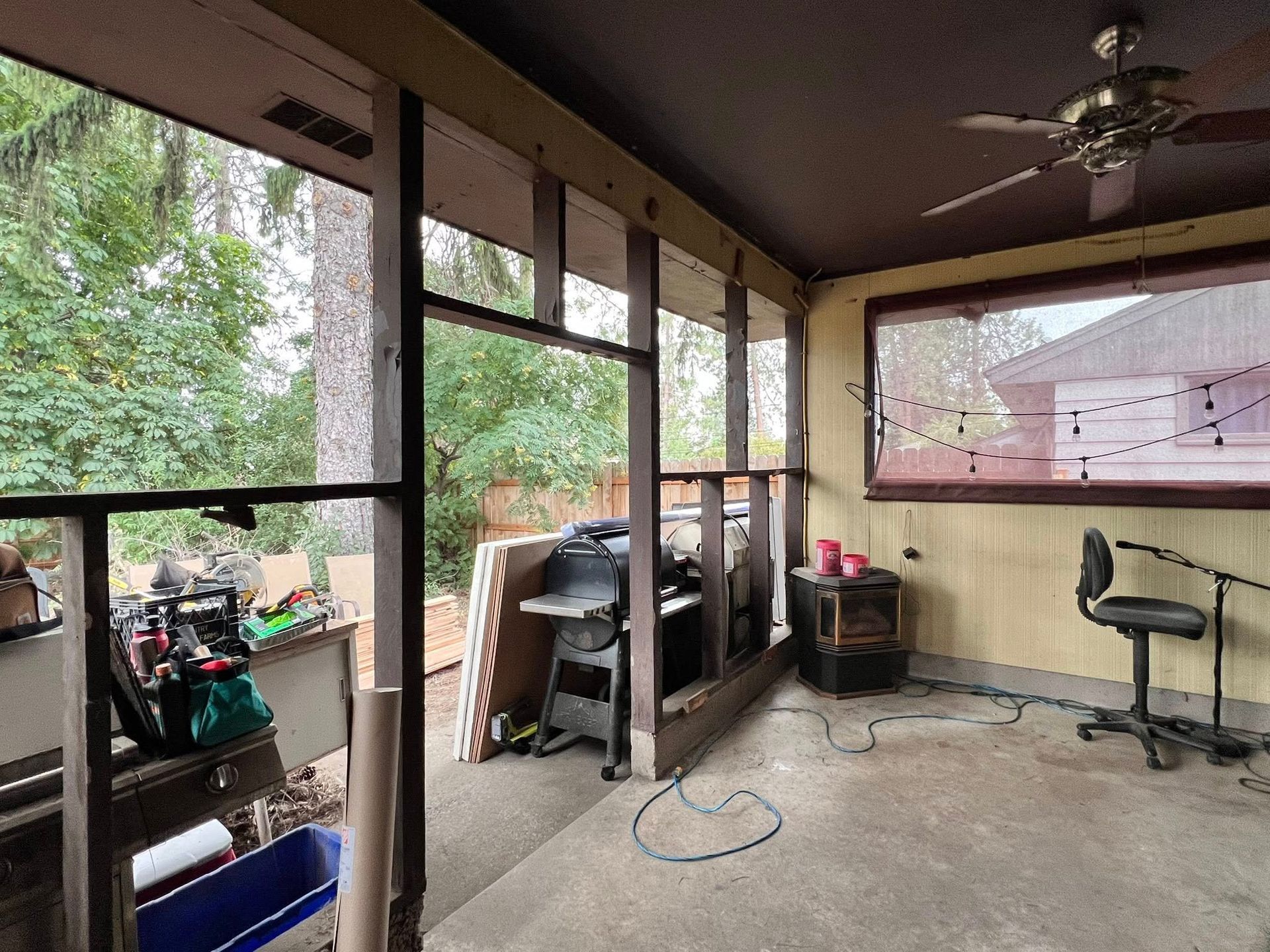
How a lean-to is built and anchored
Your lean-to project in Colbert starts with layout and post placement. McDonaldNSonsDecks sets treated posts into the ground or mounts them on concrete footings, installs horizontal beams to connect the posts, and frames a sloped roof that directs runoff away from stored items. Metal roofing is installed over purlins, and the structure is braced to resist wind and lateral movement.
Once the lean-to is complete, you will have a covered area that keeps rain and snow off your equipment, allows air circulation to prevent rust and mold, and gives you quick access without opening doors or moving things around. The roof does not sag or collect water, and the posts stay firmly in place even during heavy wind.
Lean-tos are often built alongside barns, sheds, or garages, but they can also stand alone if your property layout requires it. The build process is faster than a full enclosed structure, but the same attention to anchoring and roof pitch applies. This is not temporary coverage—it is a structure built to stay functional for years without ongoing repairs.
Common questions before adding a lean-to
Property owners often ask whether a lean-to needs a permit, how wide it can be, and whether it can attach to an existing building. These details depend on your site, what you are covering, and how the structure will be used.
If you need a lean-to built correctly on your Colbert property, McDonaldNSonsDecks handles the layout, framing, and roofing with attention to what keeps structures stable and dry over time. Get in touch to talk through your project and site conditions.